Accessories and spare parts
P.Z.A. CORRSTOP Sp. z o.o. is a direct distributor of M.C. Miller Co., USA, a leading manufacturer of instruments and accessories for cathodic protection measurements.
Reference electrode accessories and spare parts
As an official distributor, we supply accessories and spare parts fully compatible with M.C. Miller portable reference electrodes. Accessories extend their measurement capabilities in different operating conditions, while replacement parts help maintain reliable service.
Accessories
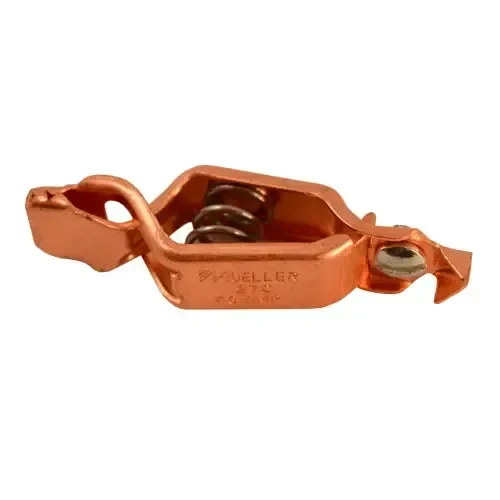
Crocodile clips
Durable copper clips connect to other structures or reference electrodes. Two models are available: the larger 25-C rated up to 75 A and the smaller 27-C rated up to 40 A.
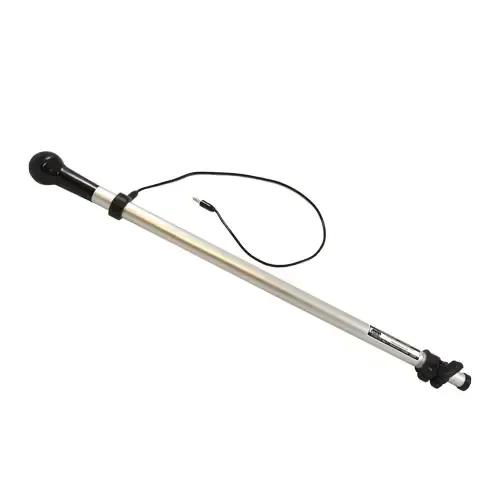
Telescopic extension pole
Extends the reach of a standard reference electrode by one metre. It includes an approximately 60 cm lead with a 4 mm banana plug for connection to a multimeter.
Spare parts
Ceramic tips
Provide suitable electrode contact with the ground and are available in different sizes and shapes.
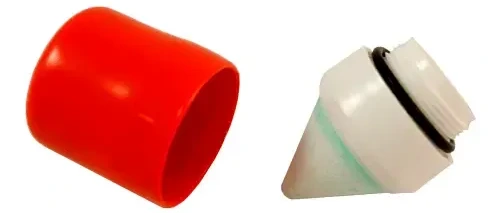
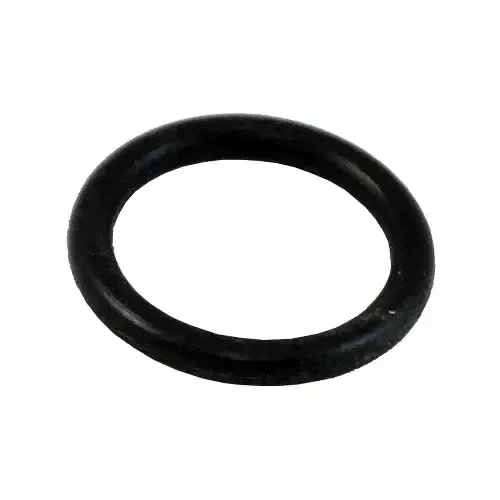
Seals
Keep the electrode sealed, preventing contamination from entering and electrolyte from leaking out.
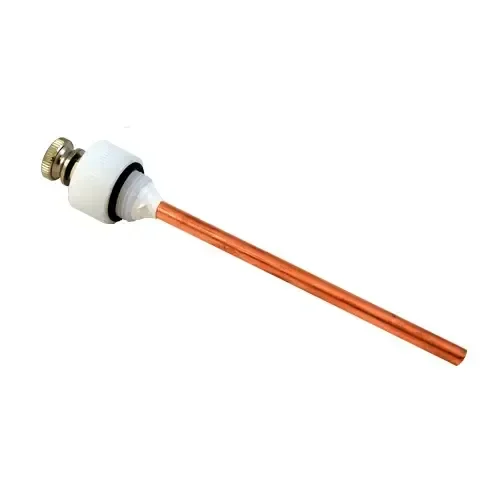
Copper rods
The main component of a portable Cu/CuSO4 reference electrode, manufactured from high-purity copper.
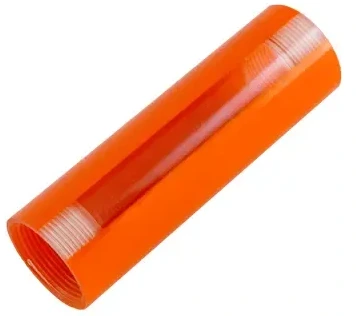
Electrode tube
The electrode housing includes a window for inspecting the electrolyte and the copper rod.
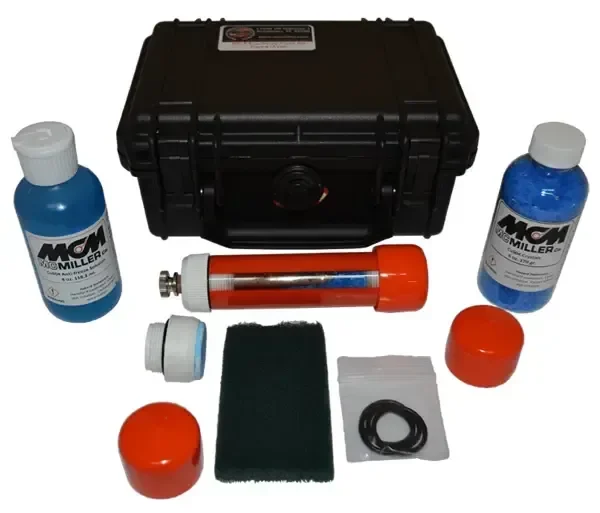
Copper sulphate
This compound maintains a constant copper-ion concentration in the electrolyte. Together with the copper rod, it provides a stable reference potential.
The solution inside the electrode must be saturated:
- Use demineralised or distilled water to prepare the solution.
- Add copper sulphate until no more dissolves and visible crystals remain at the bottom.
- The remaining crystals ensure maximum ion concentration at each temperature.

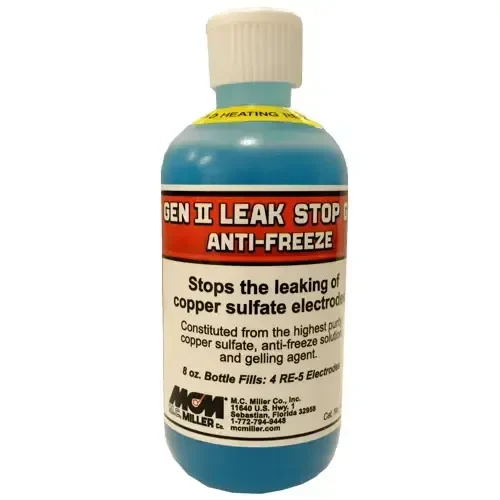
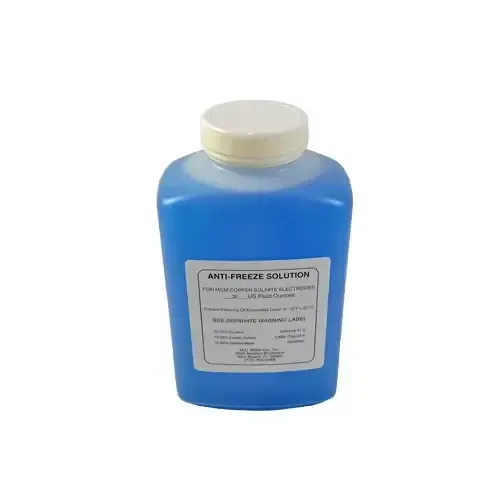
Anti-freeze
Anti-freeze fluid protects the electrode electrolyte against freezing and allows operation at low temperatures.
Electrolyte gel
The gel made from CuSO₄ crystals replaces liquid electrolyte in portable reference electrodes. It prevents leakage and supports measurements at temperatures down to −20 °C.